Desi Ghee Benefits
Vitamins in Desi Ghee: A, D, E, K Explained
Desi ghee delivers all four fat-soluble vitamins A, D, E and K in one spoon. What each does, how much you get, and why the fat matrix matters.
Updated October 7, 2026 · 198 words read

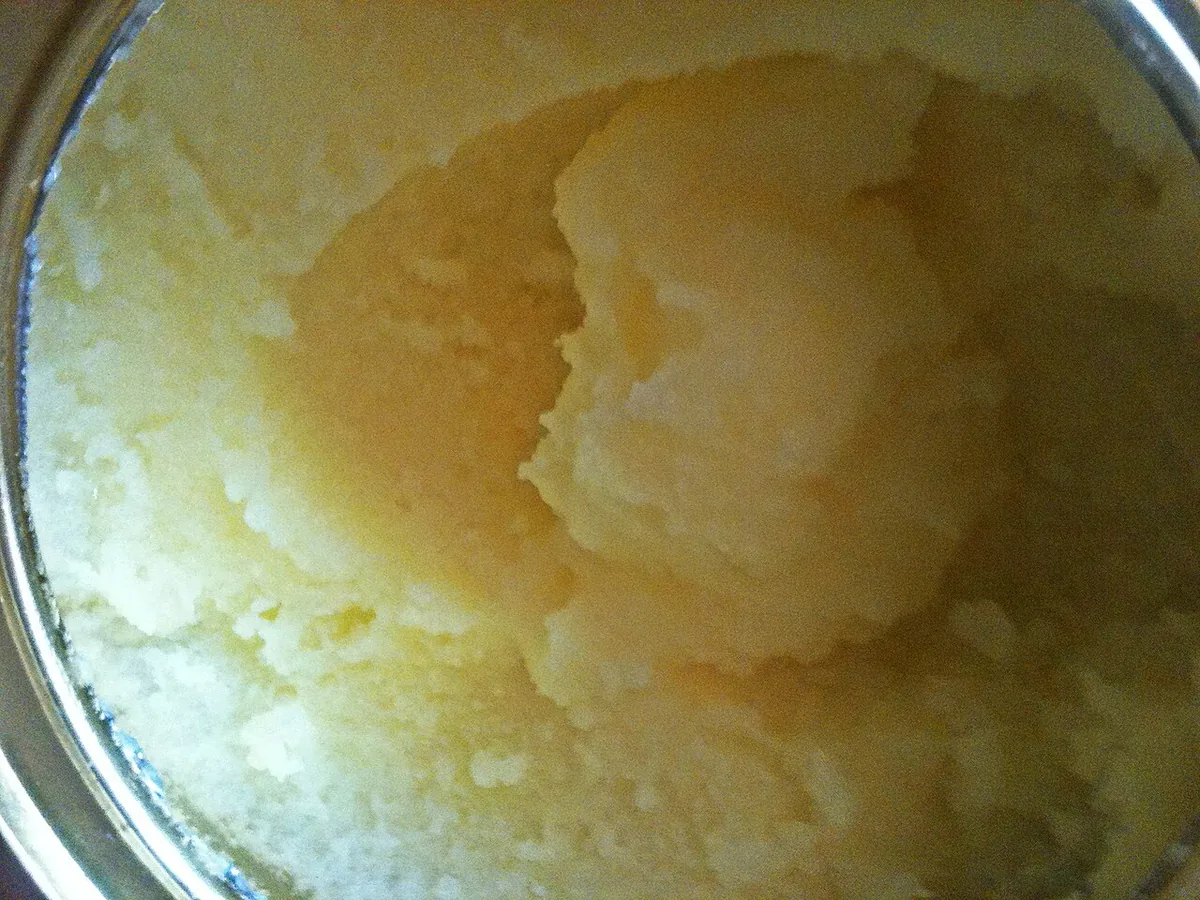
Multivitamins try to copy what one spoon of ghee does naturally. The vitamins in desi ghee — A, D, E and K together — make it one of nature's rare complete vitamin foods.
Vitamin A: eyes and immunity
Ghee's retinol supports night vision, eye moisture and the immune barriers of skin and gut lining. Deficiency shows as dry eyes and frequent infections — common where diets lack healthy fats.
Vitamin D: bones and mood
Pakistan has widespread vitamin D deficiency despite sunshine. Ghee's D3 aids calcium absorption for bones (pair with bones and joints care) and supports mood in winter months.
Vitamin E: skin and cells
A potent antioxidant protecting cells from damage, vitamin E is the reason behind ghee's skin benefits — glow from within, not just creams.
Vitamin K2: the rare one
K2 — abundant in traditionally-made ghee, scarce in modern diets — directs calcium to bones. Few vegetarian foods offer it at all.
Why the fat matrix matters
These vitamins only absorb WITH fat. Ghee delivers them pre-dissolved in the ideal carrier — unlike dry pills taken on an empty stomach. Get the full spectrum from pure ghee: Swaad-e-Khaas desi ghee. All desi ghee benefits.
Frequently Asked Questions
Which vitamins are in desi ghee?
Vitamins A, D, E and K — the complete fat-soluble set — plus carotenoids and antioxidants. Grass-fed ghee has the highest levels.
How much vitamin A in one teaspoon of ghee?
Roughly 100–150 IU per teaspoon depending on the source milk — a meaningful contribution toward daily needs.
Does heating destroy ghee vitamins?
Fat-soluble vitamins survive normal cooking well thanks to ghee's stability; avoid repeatedly reheating the same ghee.