Desi Ghee Benefits
Desi Ghee for Diabetics: Sugar Impact & Safe Use
Does desi ghee raise blood sugar? Glycemic impact is zero — learn safe portions, pairing tricks and precautions for diabetics in Pakistan.
Updated October 7, 2026 · 180 words read
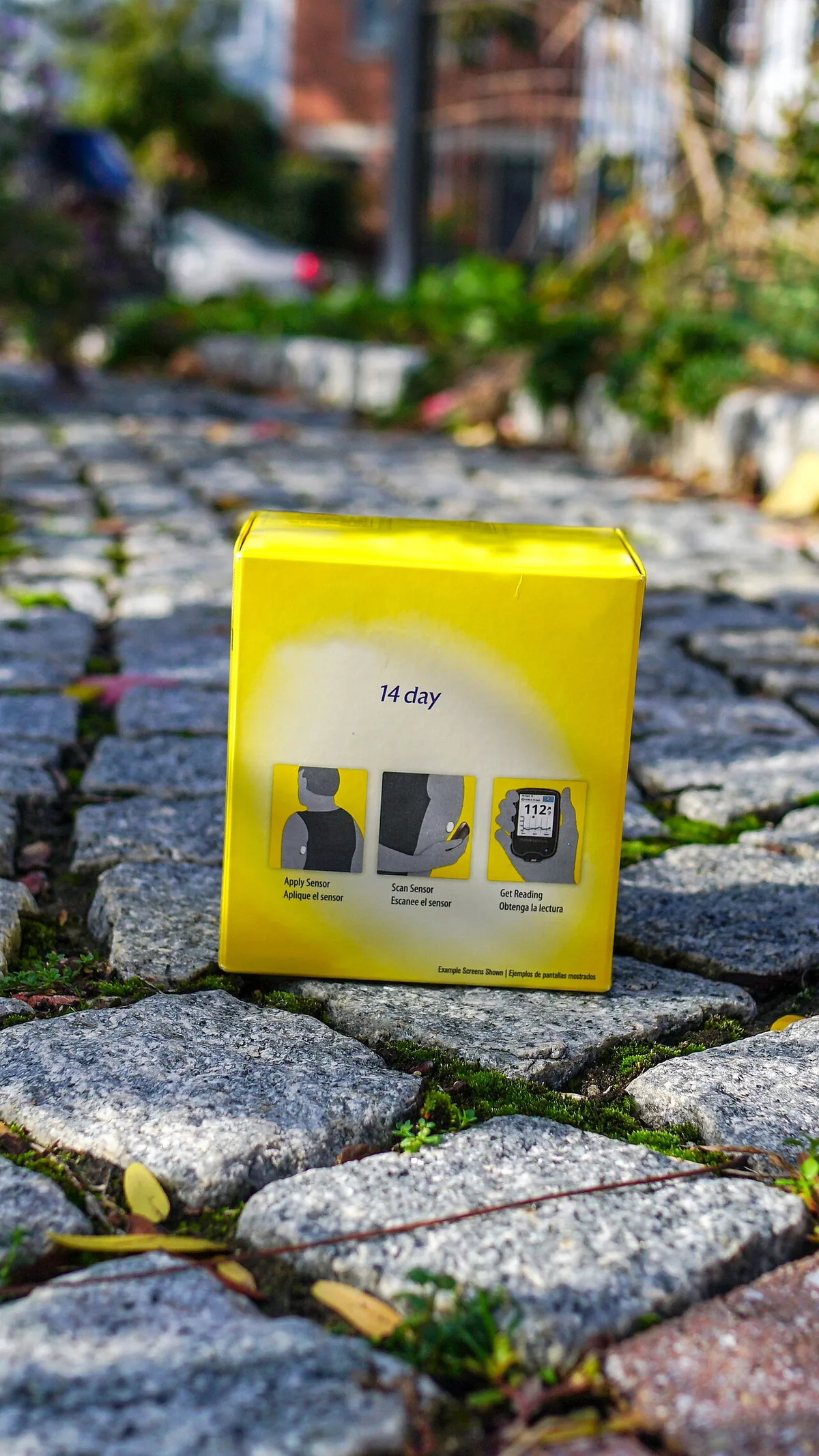
Sugar is the diabetic's enemy — but what about ghee? Good news: desi ghee for diabetics is one of the safest fats, with zero effect on blood sugar.
Zero glycemic impact
Pure ghee is 100% fat with no carbs, so it cannot raise glucose. Better still, adding a teaspoon to roti or rice slows carbohydrate absorption, flattening post-meal sugar spikes.
Smart pairings for sugar control
Cook vegetables in ghee, spread thin on whole-wheat roti, drizzle over dal. The fat-plus-fibre combo keeps you full and keeps glucose curves gentle.
Precautions that matter
Calories still count — obesity worsens diabetes, so cap at 1 teaspoon. Avoid ghee-soaked mithai (sugar is the problem, not the ghee). Uncontrolled sugar or heart disease? Ask your doctor first. See heart guidance.
Ghee vs cooking oils for diabetics
Refined oils oxidise at desi cooking temperatures; stable ghee doesn't. For high-heat diabetic cooking, ghee beats most seed oils. Full desi ghee benefits.
Only pure ghee qualifies
Blended "ghee" with vegetable oils behaves differently. Certified pure ghee — Swaad-e-Khaas desi ghee — is the safe choice for sugar-conscious families.
Frequently Asked Questions
Does ghee raise blood sugar?
No — pure ghee contains zero carbohydrates, so its glycemic index is effectively zero. It does not spike blood glucose.
How much ghee can a diabetic eat?
One teaspoon daily with meals is the commonly advised limit, as fats slow carb absorption and prevent sugar spikes.
Should diabetics avoid ghee totally?
Not necessarily — replacing refined carbs with small ghee portions often improves sugar control. But uncontrolled diabetics should consult their doctor first.