Desi Ghee Benefits
Desi Ghee for Children: Dosage, Age Guide & Safety
Is desi ghee safe for kids? Age-wise dosage from 6 months to teens, brain and growth benefits, and easy ways to add ghee to children's food.
Updated October 7, 2026 · 211 words read
Growing brains run on fat — which is why Pakistani mothers have always added ghee to children's food. This guide covers desi ghee for children: safe amounts, benefits and tricks for fussy eaters.
Why kids need ghee
Nearly 60% of the brain is fat. Ghee's DHA-supporting fats, vitamin A for eyesight and vitamin D for bones directly fuel growth years. It also makes food tastier, so kids actually finish meals.
Age-wise dosage chart
6–12 months: a few drops to ¼ teaspoon in khichdi. 1–3 years: ¼ to ½ teaspoon daily. 4–12 years: ½ to 1 teaspoon daily. Teens: up to 2 teaspoons. Always start small and watch digestion.
5 easy ways to add ghee
One, melt over hot dal or khichdi. Two, spread thin on paratha. Three, stir into doodh with a pinch of sugar. Four, fry their egg in it. Five, use in homemade halwa as a treat.
Brain, immunity and weight
Ghee supports focus for school-goers and immunity through winter bugs — see ghee for immunity. Combined with active play, it builds healthy weight, not fat.
Pick pure ghee for little ones
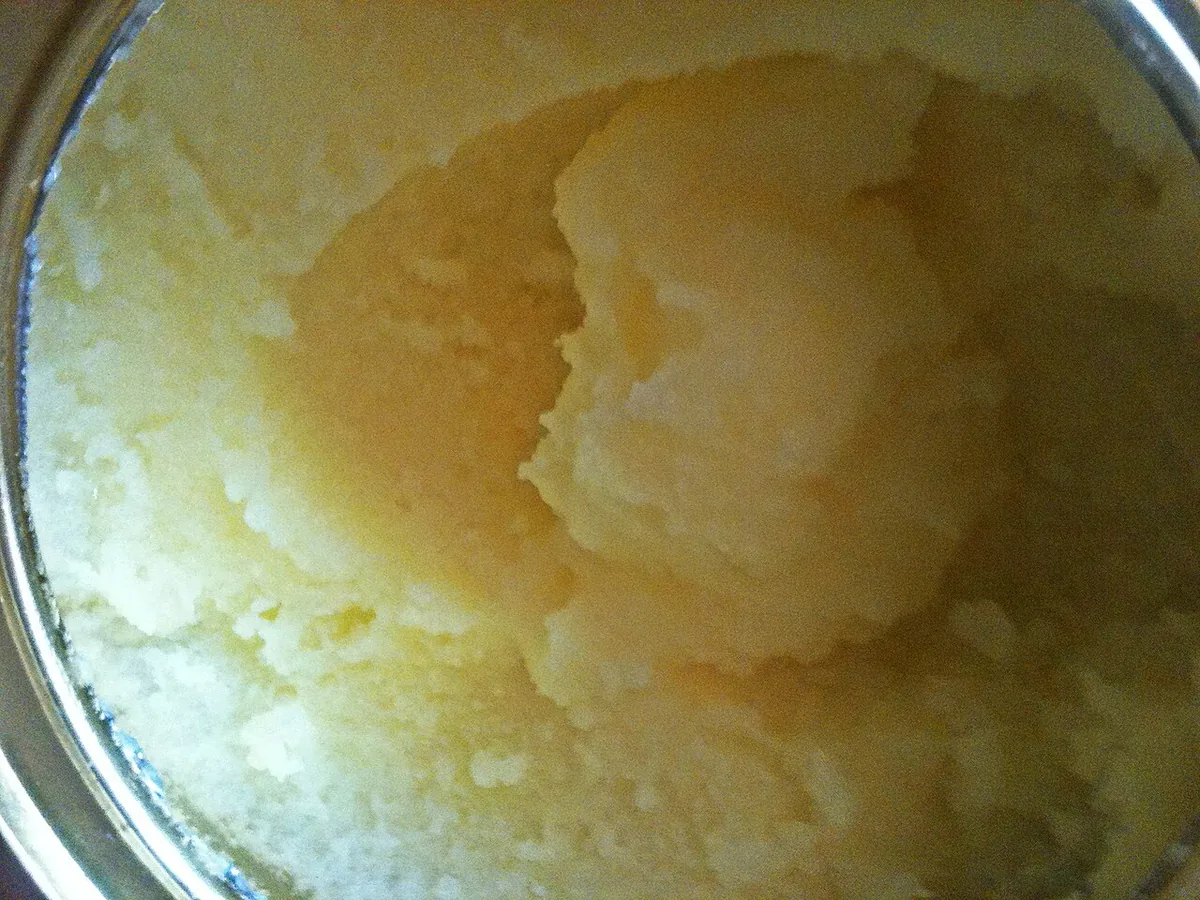
Children deserve zero adulteration. Swaad-e-Khaas pure desi ghee is traditionally made and tested — the safe choice for your family. Full parent guide to desi ghee benefits.
Frequently Asked Questions
Can I give ghee to my 1-year-old?
Yes — a quarter to half teaspoon daily in khichdi or milk is traditionally safe after 6 months, once solids start. Confirm with your pediatrician.
How much ghee for a 5-year-old?
Half to one teaspoon daily is plenty — spread on roti, mixed in dal or melted in milk.
Will ghee make my child obese?
No, in these small amounts. Childhood obesity comes from sugar and junk food, not a teaspoon of healthy fat.