Desi Ghee Benefits
Desi Ghee in Ayurveda: 5,000 Years of Healing Wisdom
Why Ayurveda calls ghee liquid gold: agni digestion, ojas vitality, nasya, panchakarma and the three doshas — ancient wisdom meets modern science.
Updated October 7, 2026 · 163 words read
Long before nutrition labels, Ayurveda documented ghee as medicine. Desi ghee in Ayurveda is called liquid gold — here is the 5,000-year-old wisdom and what science says now.
Agni: the digestive fire
Ayurveda says weak agni causes disease, and ghee kindles it. Modern translation: butyric acid and bile stimulation — matching our digestion guide exactly.
Ojas: vitality and immunity
Ojas is the essence of immunity and glow. Ghee is classified as a premier ojas-builder — echoed today by immunity science on vitamins and antioxidants.
The three doshas
Ghee pacifies dry, erratic vata and hot, sharp pitta, while heavy kapha types use it sparingly. This personalised-fat idea predates modern nutrigenomics by millennia.
Panchakarma and nasya
Detox therapies use ghee internally (snehapana) to pull fat-soluble toxins, and nasya (nasal drops) for sinuses and sleep. Use only purest ghee for these practices.
Ancient wisdom, modern jar
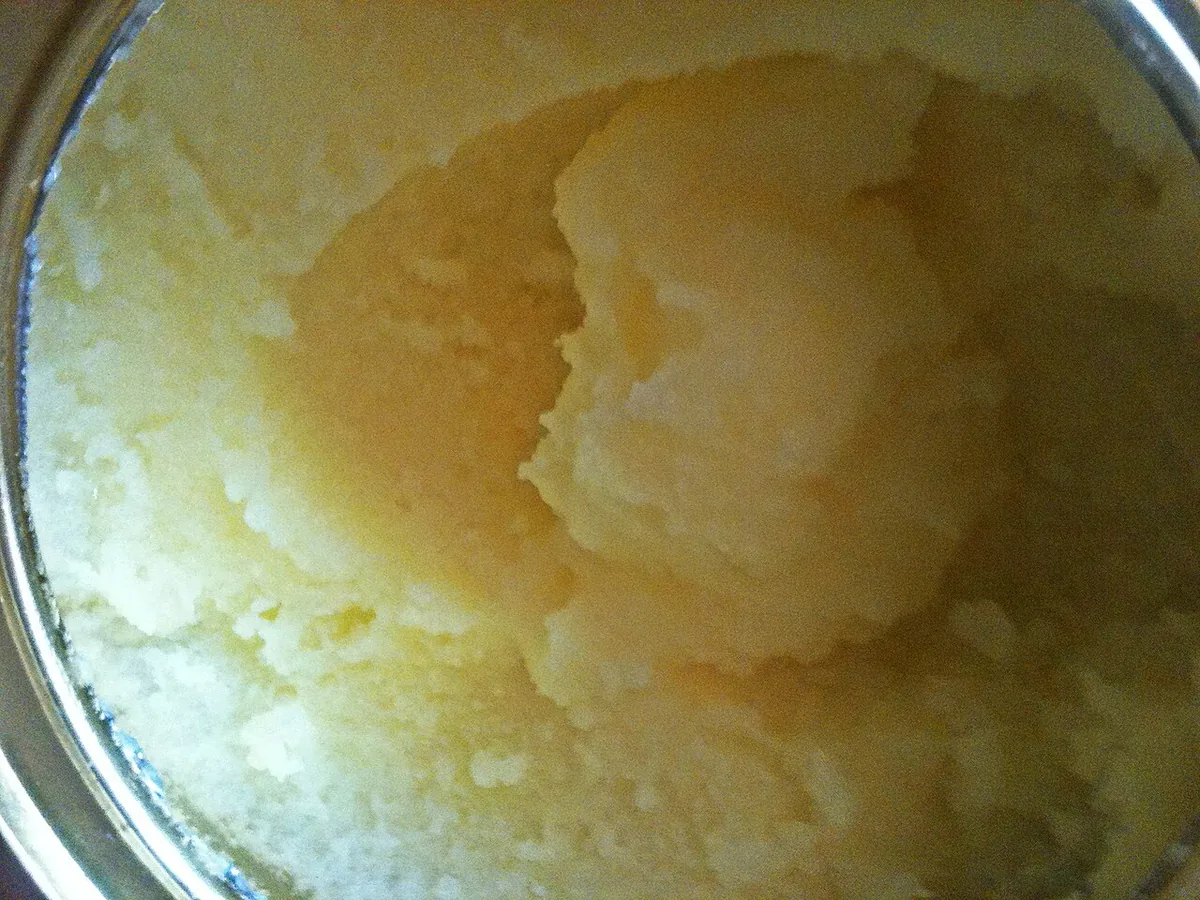
Texts insist on slow-churned cow ghee — the method Swaad-e-Khaas still follows. Explore all desi ghee benefits through both lenses.
Frequently Asked Questions
What does Ayurveda say about ghee?
Ayurveda classifies ghee as a sattvic, ojas-building food that kindles digestive fire (agni), lubricates tissues and calms vata and pitta doshas.
What is nasya with ghee?
Nasya is placing 2 drops of warm pure ghee in each nostril to clear sinuses, improve sleep and sharpen senses — a classical Ayurvedic practice.
Is Ayurvedic ghee different?
Classical texts specify ghee from grass-fed cows' milk, churned traditionally — exactly the slow method behind quality desi ghee today.