Our Brand
Types of Desi Ghee: Danedar, Shudh & Grades Explained
Danedar vs smooth, shudh vs blended: ghee grades and textures explained — what grain, colour and aroma reveal about quality.
Updated October 7, 2026 · 103 words read
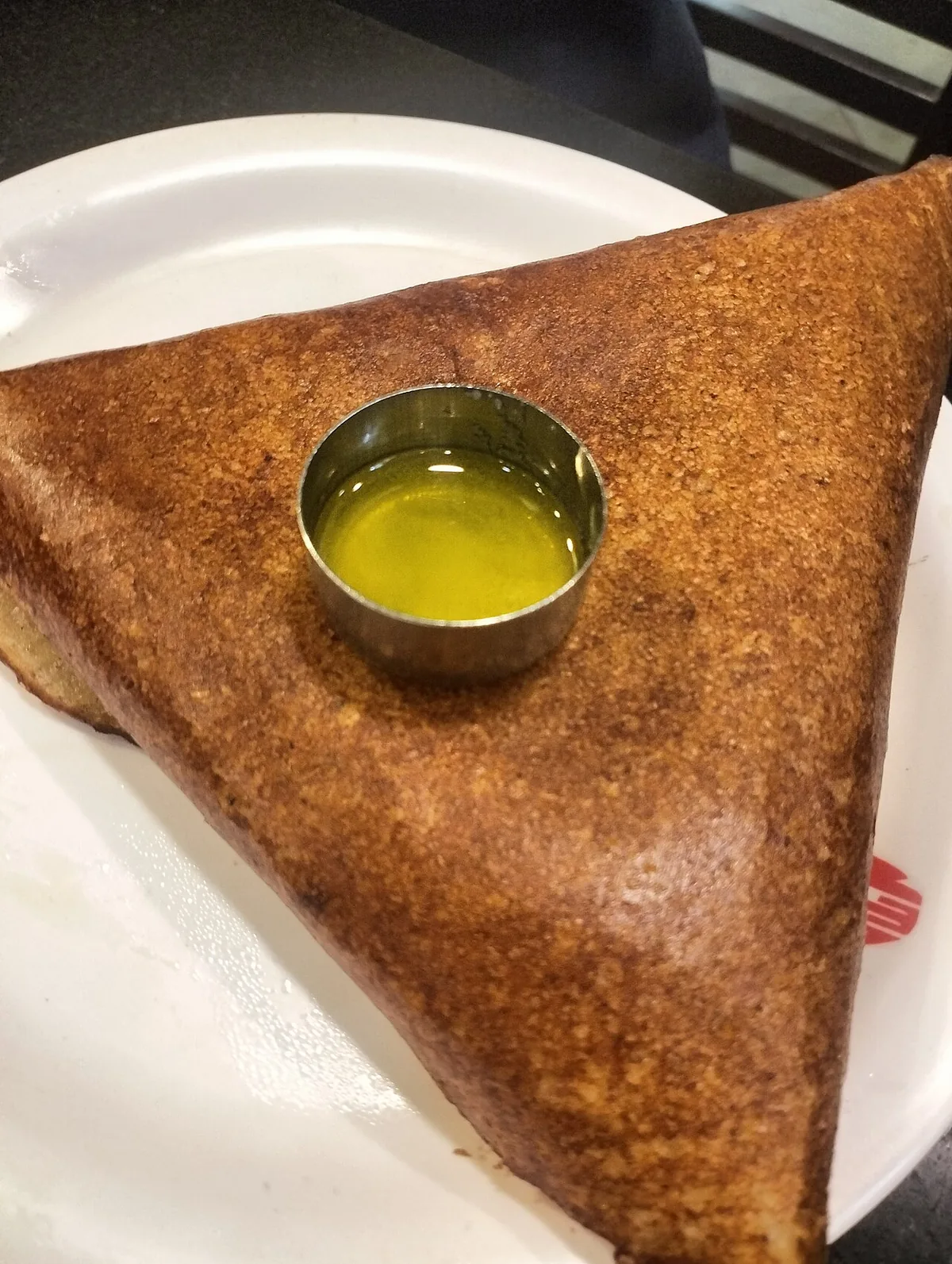
Grainy or smooth? White or gold? Types of desi ghee decoded so you can judge any jar like an expert.
Danedar: the gold standard
Slow cooling lets butterfat crystallise into visible grains. Big, even grains = slow traditional process. Test yours: purity tests.
Colour language
Deep gold: grass-fed/cow, beta-carotene rich. Pale cream: buffalo or grain-fed. White patches: temperature swings, usually harmless. Any neon or dull grey: suspect.
Aroma grades
Nutty-rich (best), mild-milky (good daily), flat/waxy (blended), sour (spoiled). Nose knows — trust it with our adulteration guide.
Buy graded quality
Swaad-e-Khaas ghee is slow-set for natural grain. Process details: how we make it.
Frequently Asked Questions
What is danedar ghee?
Danedar means grainy — natural fat crystals forming in slow-made pure ghee. It is the top visual marker of traditional quality.
Is smooth ghee fake?
Not always — fast-cooled or cow ghee sets smoother. But uniformly waxy-smooth cheap ghee deserves a purity test.