Recipes & Uses
Desi Ghee in Winter: 7 Ways It Protects Your Family
Why desi ghee is essential in Pakistani winters: dry skin, joint stiffness, immunity, energy and 7 daily winter uses.
Updated October 7, 2026 · 130 words read

Winter in Pakistan means dry skin, stiff joints and endless colds. Desi ghee in winter is the traditional all-in-one shield — here are 7 uses.
1–2. Skin and lips
Nightly ghee moisturiser plus bedtime lip layer beat winter cracking (skin guide). Start October, before damage sets in.
3–4. Joints and massage
Daily teaspoon in food plus weekly warm ghee massage keeps knees moving through December fog (joints guide).
5. Immunity shield
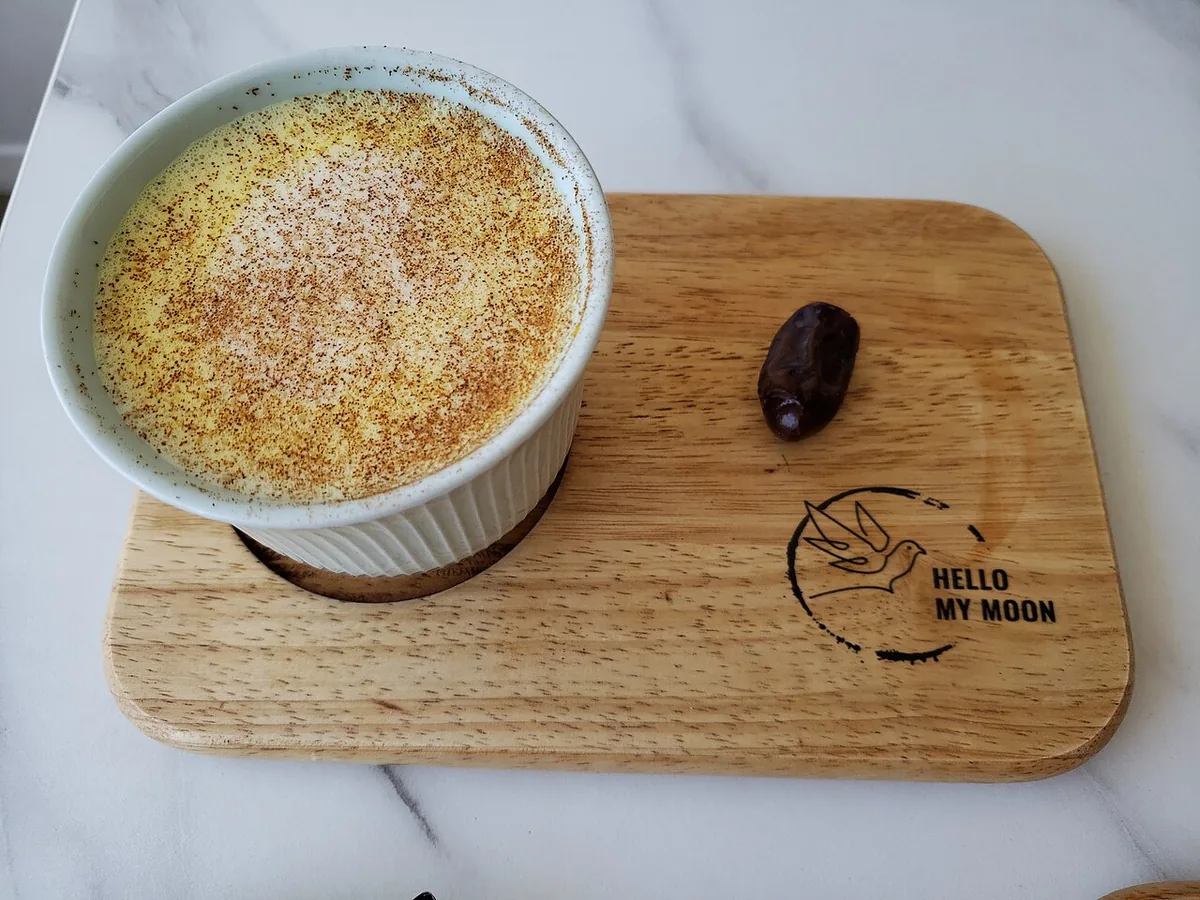
Nightly haldi doodh with ghee through flu season (recipe, immunity).
6–7. Energy and cooking
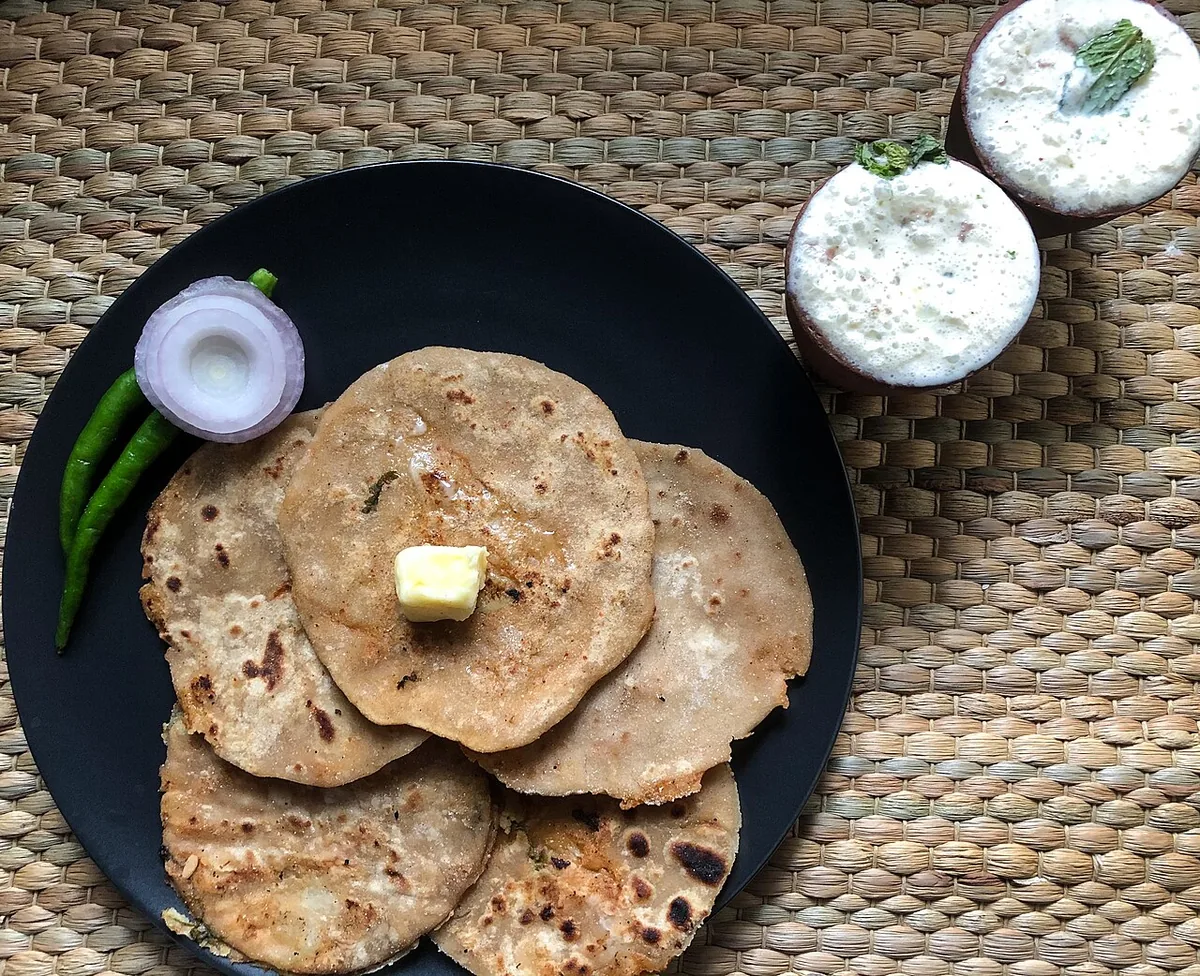
Heavier winter appetites are natural — fuel them with ghee parathas (recipe) and slow-cooked dals (dal recipe) instead of junk snacks.
Stock up before December
Demand (and prices) peak in winter — see ghee prices. Order pure desi ghee early and sail through the season.
Frequently Asked Questions
Should we eat more ghee in winter?
Slightly more is traditional and sensible — the body burns more calories staying warm, and skin and joints need extra lubrication. Add half a teaspoon to your normal amount.
Does ghee prevent winter dryness?
Eaten daily plus applied on skin, ghee fights winter dryness inside-out far better than lotions alone.
Is ghee good for winter joint pain?
Yes — its lubricating fats plus warm ghee massage ease the cold-weather stiffness elders feel. See the joints guide.